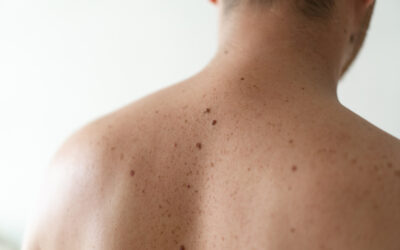
Your skin often tells a story that goes far beyond what meets the eye. When life becomes overwhelming, your body responds in ways you might not expect—and your skin frequently bears the burden. Understanding the connection between stress and skin health empowers you to take control of both your mental well-being and your complexion.
Stress affects millions of people daily, triggering a cascade of physiological responses that can manifest visibly on your skin. By recognizing these patterns and implementing targeted strategies, you can protect your skin while managing life’s inevitable pressures.
How Stress Impacts Your Skin
When you experience stress, your body releases cortisol, commonly known as the stress hormone. This natural response serves important functions during emergencies, but chronic elevation creates problems throughout your body, including your skin.
Cortisol increases oil production in your sebaceous glands, leading to clogged pores and breakouts. It also weakens your skin’s barrier function, making it more susceptible to irritation, dryness, and infection. Additionally, stress reduces your immune system’s effectiveness, slowing healing processes and increasing inflammation.
The mind-skin connection operates through multiple pathways. Your nervous system directly communicates with skin cells, while stress hormones circulate through your bloodstream, affecting cellular behavior. This explains why emotional stress often appears on your face within days or even hours.
Sleep disruption, another common stress symptom, further compounds skin problems. During sleep, your body repairs damaged cells and produces collagen. When stress interferes with quality rest, your skin loses this crucial recovery time.
Common Stress-Related Skin Conditions
Acne and Breakouts
Stress-induced acne often appears suddenly and concentrates around your jawline, chin, and forehead. Unlike typical teenage acne, adult stress-related breakouts tend to be deeper, more inflamed, and slower to heal.
Research shows that students experience significantly more acne during exam periods, demonstrating the direct correlation between psychological stress and skin eruptions. The cycle becomes self-perpetuating when visible breakouts create additional anxiety.
Eczema Flare-ups
Eczema, or atopic dermatitis, frequently worsens during stressful periods. Your skin becomes red, itchy, and inflamed, often in areas like your hands, neck, and face. Stress compromises your skin barrier, allowing irritants and allergens to penetrate more easily.
Many patients notice their eczema symptoms intensify during work deadlines, relationship conflicts, or major life changes. The itching sensation itself becomes a source of stress, creating a challenging cycle to break.
Psoriasis Aggravation
Psoriasis plaques often multiply or become more severe when you’re under significant stress. This autoimmune condition responds strongly to emotional triggers, with many patients reporting their first outbreak following a traumatic event.
The visible nature of psoriasis can create social anxiety, leading to isolation and depression. This emotional burden often perpetuates the condition, making stress management crucial for long-term control.
Other Stress-Related Skin Issues
Stress can trigger various other skin problems, including cold sores, rosacea flare-ups, and premature aging. You might notice increased sensitivity to skincare products you previously tolerated well, or develop new allergic reactions during particularly stressful periods.
Hair loss, nail changes, and delayed wound healing also commonly accompany chronic stress, affecting your overall appearance and confidence.
Practical Strategies to Minimize Stress Impact
Develop Effective Relaxation Techniques
Deep breathing exercises provide immediate stress relief while requiring no special equipment or training. Practice the 4-7-8 technique: inhale for four counts, hold for seven, and exhale for eight. This activates your parasympathetic nervous system, countering stress responses.
Progressive muscle relaxation helps identify and release physical tension you might not realize you’re carrying. Start with your toes and work upward, consciously relaxing each muscle group.
Meditation, even for just ten minutes daily, measurably reduces cortisol levels. Apps and guided sessions make this ancient practice accessible for beginners.
Establish Consistent Skincare Routines
Maintaining your skincare routine during stressful periods protects your skin barrier and provides psychological benefits through self-care rituals. Choose gentle, fragrance-free products that won’t irritate stressed skin.
Cleanse twice daily with lukewarm water and a mild cleanser. Avoid harsh scrubbing, which can worsen inflammation. Apply moisturizer while your skin is still damp to lock in hydration.
Sun protection becomes even more critical when you’re stressed, as your skin’s natural repair mechanisms are compromised. Use broad-spectrum SPF 30 or higher daily, regardless of weather conditions.
Prioritize Quality Sleep
Create a relaxing bedtime routine that signals your body to wind down. Dim lights, avoid screens for at least an hour before bed, and keep your bedroom cool and dark.
Consistent sleep and wake times help regulate your circadian rhythm, improving both sleep quality and hormone balance. Aim for seven to nine hours nightly.
If stress keeps you awake, try journaling before bed to clear your mind of worries. Physical tension often accompanies mental stress, so gentle stretching or yoga can prepare your body for rest.
Exercise Regularly
Physical activity reduces stress hormones while boosting endorphins, your body’s natural mood elevators. You don’t need intense workouts—even a 20-minute walk provides significant benefits.
Exercise also improves circulation, delivering oxygen and nutrients to your skin cells while removing waste products. However, always shower promptly after exercising to prevent sweat from clogging pores.
Choose activities you enjoy to ensure consistency. Dancing, swimming, hiking, or playing sports can be more sustainable than forced gym routines.
Maintain Proper Nutrition
Your skin reflects your overall health, making nutrition crucial during stressful periods. Omega-3 fatty acids found in fish, walnuts, and flaxseeds help reduce inflammation.
Antioxidant-rich foods like berries, leafy greens, and colorful vegetables protect against stress-induced free radical damage. Stay hydrated with water rather than caffeinated or sugary beverages, which can worsen stress responses.
Limit processed foods, excess sugar, and dairy if you notice they trigger breakouts. Keep healthy snacks readily available to avoid stress eating processed options.
When to Seek Professional Help
While self-care strategies provide significant benefits, some situations require professional intervention. Persistent skin problems that don’t respond to over-the-counter treatments may need prescription medications or specialized therapies.
Mental health support becomes essential when stress feels unmanageable or interferes with daily functioning. Therapists can teach coping strategies specifically tailored to your situation and triggers.
Dermatologists understand the complex relationship between stress and skin health. They can prescribe targeted treatments while helping you identify your specific triggers and develop personalized management plans.
Don’t wait until problems become severe. Early intervention often prevents minor issues from developing into chronic conditions that are harder to treat.
Moving Forward with Confidence
Understanding the stress-skin connection empowers you to take proactive steps toward healthier skin and better overall well-being. Remember that improvement takes time—both your skin and stress levels respond gradually to positive changes.
Small, consistent actions often produce better results than dramatic overhauls you can’t maintain. Start with one or two strategies that feel manageable, then gradually incorporate others as they become habits.
Your skin health reflects your overall wellness. By addressing stress through multiple approaches—relaxation techniques, proper skincare, adequate sleep, regular exercise, and good nutrition—you’re investing in your long-term health and confidence.
Professional support can accelerate your progress and ensure you’re using the most effective treatments for your specific situation. Expert guidance helps you avoid trial-and-error approaches that might waste time or worsen conditions.
Call us at (402) 423-1111 or visit us in person to schedule an appointment today.