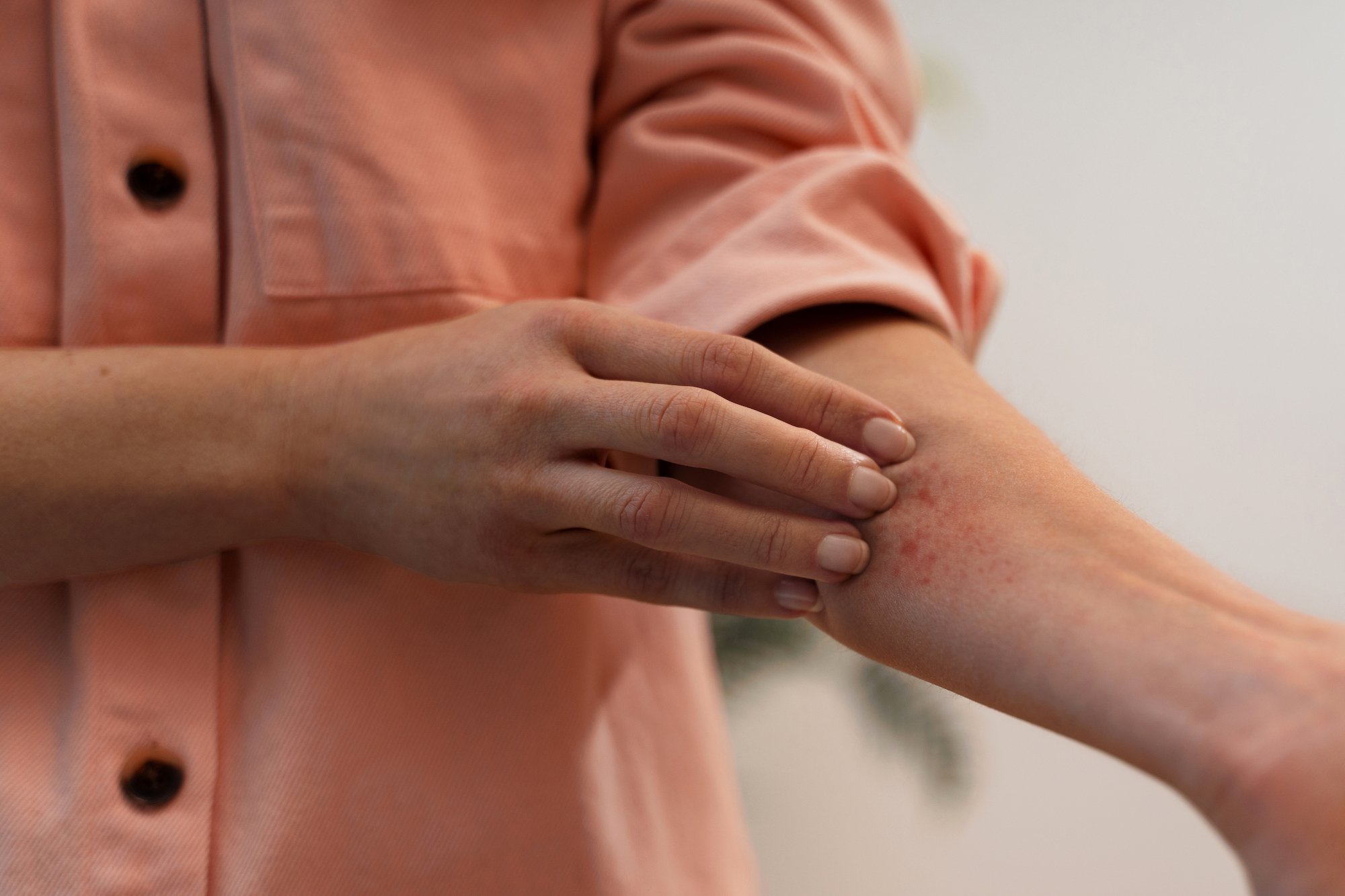
We have all experienced it at some point: a sudden itch, a red rash, or a patch of irritated skin that appears seemingly out of nowhere. Sometimes the cause is obvious—a walk through poison ivy or a new laundry detergent. But often, the source of the reaction remains a frustrating mystery. You might find yourself retracing your steps, analyzing your meals, or scrutinizing your skincare routine, trying to pinpoint the culprit.
This condition is often contact dermatitis, a type of eczema triggered when your skin touches something it dislikes. While it is rarely dangerous, the discomfort and visibility of the rash can be significant sources of stress. Patients frequently come to our clinic feeling exhausted by the itch and confused by the wide range of potential triggers in their daily environment.
In this guide, we will demystify contact dermatitis. We will explain the difference between irritation and genuine allergy, explore the science of patch testing, and provide dermatologist-approved strategies for identifying triggers and soothing your skin. Understanding your skin’s reactions is the first step toward reclaiming your comfort.
What is Contact Dermatitis?
Contact dermatitis is an inflammation of the skin caused by direct contact with a substance. It is not contagious, meaning you cannot catch it from or give it to someone else. However, it can be persistent and uncomfortable. The condition generally falls into two distinct categories: irritant contact dermatitis and allergic contact dermatitis. Distinguishing between the two is crucial for effective treatment.
Irritant Contact Dermatitis (ICD)
This is the most common form, accounting for about 80% of all cases. It occurs when a substance damages the skin’s outer protective barrier. It doesn’t involve the immune system in the same specific way an allergy does. Instead, the substance physically or chemically abrades or irritates the skin.
Think of “dishpan hands.” Frequent exposure to hot water and soap strips the oils from your skin, leading to redness, cracking, and dryness. Anyone can develop irritant contact dermatitis if exposed to a harsh enough substance (like bleach or battery acid) or a mild irritant frequently enough (like water or soap).
Allergic Contact Dermatitis (ACD)
This is a true allergic reaction. It happens when your immune system encounters a substance it recognizes as a threat. Interestingly, you often don’t react the first time you touch the allergen. Your body must first be exposed to the substance (the sensitization phase) to develop a “memory” of it.
Once you are sensitized, re-exposure triggers an immune response, releasing chemicals that cause inflammation, itching, and blistering. This reaction is often delayed, appearing 24 to 72 hours after exposure, which makes identifying the cause particularly difficult.
Common Signs and Symptoms
While symptoms can vary depending on the severity and the cause, most patients experience some combination of the following at the site of contact:
- Redness and Swelling: The area becomes inflamed and warm to the touch.
- Itching: This is often intense and can interfere with sleep or daily activities.
- Dryness or Cracking: The skin may feel tight, rough, or scaly.
- Blisters: In severe allergic reactions (like poison ivy), fluid-filled blisters may form and ooze.
- Burning or Stinging: This is more common with irritant contact dermatitis.
The Usual Suspects: Common Triggers
Our world is full of chemicals and natural substances, but a small group of them causes the vast majority of skin allergies. If you are struggling with unexplained rashes, consider these frequent offenders:
Nickel
Nickel is the most common contact allergen worldwide. It is found in jewelry (even expensive gold or silver can contain trace amounts), belt buckles, zippers, eyeglass frames, and even cell phones. A rash on the earlobes or around the navel is a classic sign of nickel allergy.
Fragrances
“Fragrance” on an ingredient label can represent hundreds of different chemical compounds. Found in perfumes, soaps, shampoos, laundry detergents, and cleaning products, fragrances are a leading cause of allergic contact dermatitis. Even products labeled “unscented” may contain masking fragrances to cover up chemical smells.
Preservatives
To prevent bacteria growth in water-based products like lotions and shampoos, manufacturers add preservatives. Common culprits include formaldehyde releasers, parabens, and methylisothiazolinone (MI), which has seen a surge in allergy rates in recent years.
Neomycin
This antibiotic is found in many over-the-counter first aid creams and ointments. Ironically, many people apply these creams to heal a scrape, only to develop a rash that looks like an infection but is actually an allergic reaction to the medicine itself.
Poison Ivy and Poison Oak
Plants belonging to the Toxicodendron genus contain an oil called urushiol. This oil is incredibly potent; a pinhead-sized amount is enough to cause rashes in 500 people.
Diagnosing the Problem: The Role of Patch Testing
When the cause of a rash isn’t obvious, dermatologists use a specialized tool called patch testing. It is important to note that this is different from the “prick testing” allergists use for food or pollen allergies.
How Patch Testing Works:
- Application: We apply small amounts of common allergens (diluted in safe chambers) to the skin on your back using adhesive patches.
- The Wait: You wear these patches for 48 hours. During this time, you must keep your back dry—no showering or heavy sweating.
- Removal and First Reading: You return to the clinic to have the patches removed. We look for initial signs of reaction.
- Final Reading: Because allergic contact dermatitis is a delayed reaction, a final reading is typically done 72 to 96 hours after the initial application.
If a red, raised bump appears at the site of a specific chemical, we can diagnose an allergy to that substance. This provides a clear roadmap for avoidance.
Treatment and Management Strategies
Once you have identified the problem, how do you fix it? The approach is twofold: treating the current rash and preventing future ones.
Soothing the Reaction
- Avoidance: This is the most critical step. If you continue to touch the trigger, no medication will work effectively.
- Gentle Skincare: Switch to mild, fragrance-free cleansers and moisturizers. Look for products labeled “hypoallergenic” or “for sensitive skin,” though even these should be tested cautiously.
- Topical Steroids: Mild cases often respond to over-the-counter hydrocortisone. More severe or widespread rashes may require prescription-strength topical steroids to reduce inflammation and itching.
- Cool Compresses: Applying a cool, wet cloth to the area can soothe burning and reduce swelling.
Prevention Tips
- Read Labels: Become a detective. If you know you are allergic to MI or formaldehyde, you must scan the ingredient list of every product you buy.
- Barrier Creams: If you cannot avoid an irritant (for example, if you work with chemicals), use protective gloves and barrier creams containing dimethicone or ceramides to shield your skin.
- Jewelry Hacks: If you are sensitive to nickel but want to wear a specific piece of jewelry, coating the metal studs with clear nail polish can provide a temporary barrier. However, switching to platinum, titanium, or surgical steel is a better long-term solution.
When to See a Dermatologist
Most contact dermatitis can be managed at home once the trigger is known. However, professional care is necessary if:
- The rash is sudden, severe, or widespread.
- The rash affects sensitive areas like the eyes, mouth, or genitals.
- You see signs of infection, such as yellow crusting, increased pain, or warmth.
- The condition is interfering with your sleep or daily life.
- You cannot identify the trigger despite your best efforts.
At Complete Family Dermatology, we know that chronic itching and rashes are more than just a nuisance—they affect your quality of life. We are dedicated to playing detective with you, using advanced patch testing and thorough history-taking to find the root cause of your skin allergies.
Conclusion
Your skin is your body’s first line of defense, and when it reacts, it is trying to protect you. While contact dermatitis can be complex, it is not something you have to live with forever. By understanding the difference between irritation and allergy, and by systematically identifying triggers, you can restore your skin’s health and comfort.
You don’t have to guess what’s causing your rash. Let us help you find the answers and the relief you deserve.
Visit the Complete Family Dermatology website or call (402) 423-1111 today to schedule your consultation.