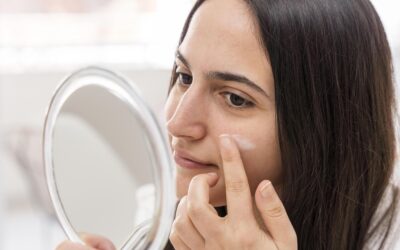
As the snow melts and the first green buds appear on the trees, most of us feel a sense of relief. We pack away the heavy wool coats, swap our boots for sneakers, and open the windows to let the fresh air in. But while we are busy updating our wardrobes and cleaning our homes, we often forget one crucial area that needs a seasonal transition: our skin.
Just as you wouldn’t wear a parka in May, you shouldn’t rely on your heavy winter skincare routine when the humidity rises. Winter is harsh on the skin, often leaving it dry, flaky, and dull. Spring, on the other hand, brings increased moisture in the air, more sun exposure, and a whole new set of environmental challenges.
Transitioning your skincare routine doesn’t mean buying an entirely new cabinet of products. It means making strategic tweaks to support your skin’s changing needs. In this guide, we will explore how to shed the winter dullness and prepare your complexion for the brighter days ahead.
Why Your Skin Needs a Seasonal Shift
Your skin is a reactive organ. It constantly adapts to the environment around it. During the winter, the air is cold and dry, and indoor heating saps moisture from your skin barrier. Your skin responds by producing less oil, which can lead to cracks and irritation. To combat this, we typically use heavy, occlusive creams that form a seal to trap moisture in.
However, as spring arrives, the temperature and humidity levels rise. Your sebaceous glands (oil glands) wake up and start producing more natural oils. If you continue using those heavy winter creams, you risk clogging your pores, which can lead to breakouts and a greasy complexion.
Spring is about balance. You want to maintain hydration without weighing your skin down, while simultaneously ramping up protection against the stronger sun.
Lighten Up Your Moisturizer
The first and most important swap to make is your moisturizer. Those rich, buttery creams that saved you in January can feel suffocating in April.
In the winter, we rely on emollients and occlusives—ingredients like shea butter, petrolatum, and ceramides—that sit on top of the skin. For spring, look for humectants. These are ingredients that act like magnets, drawing water into the skin from the atmosphere without adding weight.
What to look for:
- Hyaluronic Acid: This powerhouse ingredient can hold up to 1,000 times its weight in water, providing intense hydration with zero heaviness.
- Gel-Based Formulas: Swap your cream for a gel or a light lotion. These absorb quickly and let your skin breathe.
- Water-Based Products: These are less likely to clog pores as you start sweating more during outdoor activities.
If you have dry skin, you don’t have to abandon creams entirely. You might just use them at night, switching to a lighter lotion for your morning routine.
Exfoliation: Shedding the Winter Coat
Winter often leaves behind a layer of dead skin cells. This accumulation is what makes skin look gray or dull and can prevent your expensive serums from absorbing properly. Spring is the perfect time to buff away this “winter coat” to reveal the fresh, radiant skin underneath.
However, moderation is key. Over-exfoliating can strip your moisture barrier, leading to redness and sensitivity.
Chemical vs. Physical Exfoliation:
Instead of harsh scrubs with jagged apricot pits or microbeads (physical exfoliation), consider chemical exfoliants. These use gentle acids to dissolve the bonds holding dead skin cells together.
- AHAs (Alpha Hydroxy Acids): Glycolic acid and lactic acid are great for surface exfoliation and brightening dull skin.
- BHAs (Beta Hydroxy Acids): Salicylic acid penetrates deeper into the pores, making it an excellent choice if the warmer weather triggers spring acne.
Start slowly, perhaps once or twice a week, and see how your skin reacts.
The Non-Negotiable: Upgrade Your SPF
If you have been lax with sunscreen during the darker months, spring is your wake-up call. The angle of the sun changes, and UV rays become more direct and intense. Additionally, we naturally spend more time outside—walking the dog, gardening, or dining on patios.
UV damage is the number one cause of premature aging, including wrinkles, fine lines, and dark spots. It is also the primary cause of skin cancer.
Spring Sun Safety Tips:
- SPF 30 or Higher: Ensure your daily moisturizer or standalone sunscreen has at least SPF 30.
- Broad Spectrum: Look for this label to ensure you are protected against both UVA rays (aging) and UVB rays (burning).
- Texture Matters: If you hate wearing sunscreen, you haven’t found the right one. Modern formulas are lightweight and non-greasy. Look for “dry touch” or matte finishes that won’t leave you feeling sticky in the humidity.
Spring Cleaning Your Vanity
Spring cleaning shouldn’t stop at your closet. This is the ideal time to audit your bathroom cabinet and makeup bag. Skincare products and makeup harbor bacteria over time, which can lead to infections and breakouts.
The Toss List:
- Mascara: Replace every 3 months. This is a breeding ground for bacteria near your eyes.
- Sunscreen: Check the expiration date. If it’s from last summer, the active ingredients may have degraded, leaving you unprotected.
- Anything that smells or looks “off”: If the texture has separated or the color has changed, throw it out.
Don’t Forget Your Brushes:
Wash your makeup brushes and sponges! They collect oil, dead skin, and dust. a simple wash with gentle soap and warm water can prevent mysterious spring breakouts.
Incorporating Antioxidants
As the sun gets stronger and we spend more time in urban environments, our skin faces more oxidative stress from UV rays and pollution. This creates “free radicals”—unstable atoms that damage skin cells.
Antioxidants are the antidote. They neutralize free radicals, acting as a second line of defense alongside your sunscreen.
Vitamin C is the gold standard here. Applying a Vitamin C serum in the morning can help brighten your complexion, even out skin tone, and protect against environmental damage. It pairs perfectly with lighter spring moisturizers.
Managing Seasonal Allergies
For many, spring flowers bring spring allergies. High pollen counts can cause itchy, watery eyes, red noses, and general puffiness.
- Cool Compresses: Keep an eye cream or a jade roller in the fridge. The cold temperature constricts blood vessels and helps reduce puffiness around the eyes.
- Gentle Cleansing: If you have been outside on a high-pollen day, wash your face as soon as you get home to remove allergens from your skin and eyelashes.
- Hydrate: Allergies (and allergy medication) can dry you out. Drink plenty of water to keep your skin plump and flushed of toxins.
Conclusion
Spring is a time of renewal and fresh starts. By making these simple adjustments—lightening your moisturizer, prioritizing exfoliation, and committing to sun protection—you can shake off the winter blues and face the warmer weather with a healthy, glowing complexion.
Listen to your skin. It will tell you what it needs. If it feels tight, add moisture. If it feels greasy, switch to oil-free products. And if you are unsure where to start, professional guidance can make all the difference.
Your skin deserves to bloom just as much as the gardens around you.
Ready to build your perfect spring skincare routine? Visit the Complete Family Dermatology website or call (402) 423-1111 today to schedule a consultation with our skincare experts.