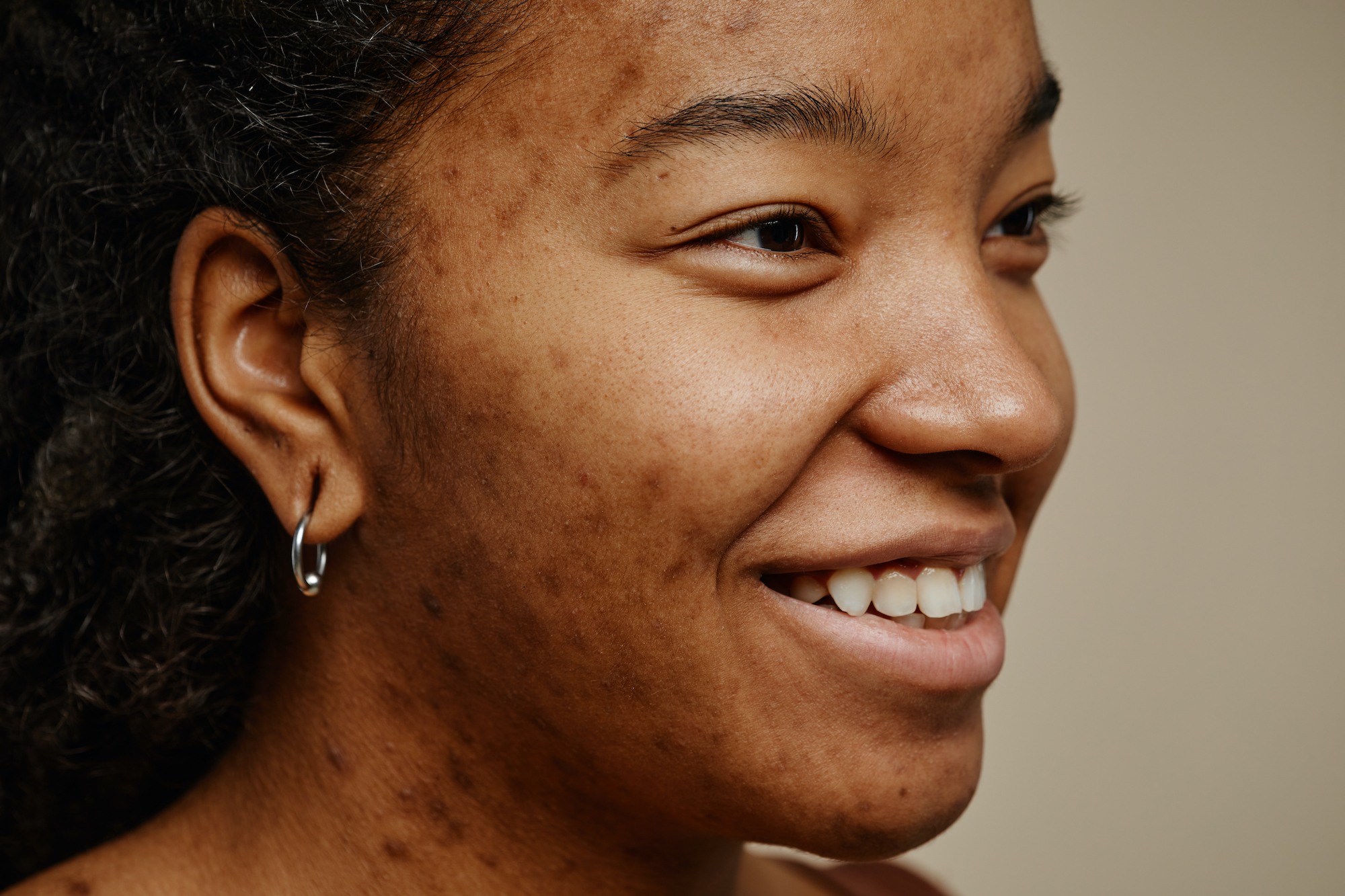
Looking in the mirror should be an act of self-acceptance, but for many patients, it becomes a source of scrutiny. You might notice a patch of skin on your cheek that is darker than the rest, or lingering marks from a breakout that healed months ago. These uneven tones are not just cosmetic annoyances; they can significantly impact self-esteem and confidence.
This condition, known as hyperpigmentation, is one of the most common reasons patients seek dermatological care. While harmless to your physical health, the emotional weight of uneven skin tone is real and valid. The internet is flooded with “miracle cures” and DIY remedies, many of which can actually worsen the condition or cause irritation.
In this guide, we will move beyond the myths to understand the science of why dark spots occur. We will explore the different types of pigmentation—from sun spots to melasma—and outline the safe, dermatologist-approved treatments that can restore clarity to your complexion. Loving the skin you’re in starts with understanding it.
Understanding the Mechanism: What is Hyperpigmentation?
To treat hyperpigmentation effectively, we must first understand what is happening beneath the surface. Your skin color comes from a pigment called melanin, which is produced by specialized cells called melanocytes. Under normal circumstances, these cells produce an even amount of melanin to protect your skin cells from UV radiation.
Hyperpigmentation occurs when these melanocytes become hyperactive or damaged. They begin to overproduce melanin in localized areas, clumping together to form dark patches or spots. This reaction is essentially a defense mechanism gone wrong. Whether triggered by the sun, hormones, or an injury to the skin, your body responds by throwing pigment at the problem.
Understanding this mechanism is crucial because it highlights why treatment requires patience. We are not just erasing a stain; we are retraining your cells to function normally again.
The Three Main Culprits: Types and Causes
Not all dark spots are created equal. Identifying the specific type of hyperpigmentation you have is the first step toward effective treatment, as protocols vary significantly between conditions.
1. Solar Lentigines (Sun Spots)
Often called “age spots” or “liver spots,” these are the direct result of chronic sun exposure over time. UV rays stimulate melanocytes to multiply. Over the years, these accumulate, appearing as small, flat dark spots on areas most exposed to the sun—the face, hands, shoulders, and chest. They are a visible record of the UV radiation your skin has absorbed throughout your life.
2. Post-Inflammatory Hyperpigmentation (PIH)
If you have ever had a pimple leave a mark that lasts far longer than the acne itself, you have experienced PIH. This type occurs following injury or inflammation of the skin. This could be acne, eczema, psoriasis, or even a bug bite. As the skin heals, it overproduces melanin in the affected area. PIH appears as pink, red, brown, or black flat spots, depending on your skin tone, and is particularly common in patients with darker skin types.
3. Melasma
Melasma is notoriously difficult to treat because it is driven by internal factors—specifically hormones. Often called the “mask of pregnancy,” it appears as larger, symmetrical patches of brown or gray-brown pigmentation, typically on the forehead, cheeks, bridge of the nose, and chin. Fluctuations in estrogen and progesterone (during pregnancy or while using oral contraceptives) sensitize the skin to the sun. Unlike other forms of pigment, melasma can also be triggered by heat and visible light, making it complex to manage.
Dermatologist-Approved Treatment Options
Treating hyperpigmentation is a journey, not a sprint. A comprehensive approach often combines topical medical-grade skincare with in-office procedures. Here are the most effective, evidence-based treatments available today.
Topical Ingredients: The First Line of Defense
Hydroquinone
Considered the “gold standard” in dermatology for decades, hydroquinone works by inhibiting tyrosinase, an enzyme essential for melanin production. By blocking this enzyme, it effectively shuts down the pigment factory. It is typically available by prescription and is best used under medical supervision for limited periods to avoid side effects.
Retinoids (Tretinoin/Retinol)
Vitamin A derivatives are powerhouses for skin renewal. They increase cell turnover, helping to shed pigmented surface cells faster while simultaneously inhibiting new pigment formation. Prescription-strength retinoids like Tretinoin are highly effective for both PIH and melasma, though they require a gradual introduction to minimize irritation.
Vitamin C
A potent antioxidant, Vitamin C protects against free radical damage from UV rays and brightens the skin by interfering with pigment production. It is an excellent preventive agent and works well in morning routines to boost the efficacy of sunscreen.
Azelaic Acid
This is a fantastic option for patients with sensitive skin or those dealing with both acne and pigmentation. Azelaic acid is anti-inflammatory and selectively targets abnormal pigment-producing cells without affecting normal skin, making it a safe choice for long-term use.
Tranexamic Acid
A newer hero in the fight against melasma, Tranexamic Acid works differently than other lighteners. It inhibits the interaction between skin cells and blood vessels, addressing the vascular component of melasma. It can be used topically or prescribed orally for stubborn cases.
In-Office Procedures
When topical treatments plateau, or for faster results, in-office procedures can penetrate deeper layers of the skin.
Chemical Peels
By applying a chemical solution to the skin, we induce controlled exfoliation. This peels away the top layers of skin where much of the excess pigment resides, revealing fresh, unblemished skin underneath. Peels range from superficial (no downtime) to deep (significant recovery), and the choice depends on the severity of your pigmentation.
Microneedling
This procedure involves creating thousands of microscopic channels in the skin. This triggers the body’s natural wound-healing response, breaking up pigment clusters and stimulating collagen. It is often effective for post-acne marks and stubborn melasma when combined with topical lighteners.
Laser Therapy and IPL
Light-based devices can target melanin directly. Intense Pulsed Light (IPL) is excellent for sun spots, as the light energy is absorbed by the dark pigment, causing it to flake off. For deeper pigment or melasma, more specialized lasers (like fractional lasers) may be used, though caution is required. Heat can sometimes worsen melasma, so seeing a board-certified professional is essential to avoid complications.
The Non-Negotiable Rule: Sun Protection
You can buy the most expensive serums and undergo the most advanced laser treatments, but all that investment is wasted without sun protection.
Sun exposure is the “on switch” for melanin production. Even a few minutes of unprotected sun can undo weeks of treatment progress. For patients with hyperpigmentation, sunscreen is not just a summer accessory; it is daily medicine.
We recommend a broad-spectrum sunscreen with an SPF of 30 or higher. For those with melasma, physical blockers containing zinc oxide or titanium dioxide are often superior, as they deflect heat as well as UV rays. Additionally, tinted sunscreens containing iron oxides offer protection against visible light (blue light), which is a known trigger for stubborn pigmentation.
When to See a Dermatologist
While over-the-counter options can help with mild cases, significant hyperpigmentation usually requires professional intervention. It is particularly important to see a provider if:
- You have a dark spot that is changing in size, shape, or color (to rule out skin cancer).
- You suspect you have melasma, which requires a specific, cautious management plan.
- Your skin is not responding to home treatments after three months.
- You are unsure of the cause of your skin discoloration.
At Complete Family Dermatology, we understand that skin conditions are more than skin deep. We take the time to analyze your specific skin type and history to build a personalized treatment plan that is both safe and effective.
Conclusion
Hyperpigmentation can feel stubborn and unrelenting, but it is treatable. By understanding the root cause—whether it is the sun, inflammation, or hormones—you can choose the right tools to address it. Remember that skin cell turnover takes time; most treatments require consistency for at least 8 to 12 weeks before significant changes are visible.
Be patient with yourself and your skin. With the right guidance and a commitment to protection, you can achieve a clearer, more even complexion.
If you are ready to develop a customized plan for your skin, we are here to help you every step of the way.
Visit the Complete Family Dermatology website or call (402) 423-1111 today to schedule your consultation.