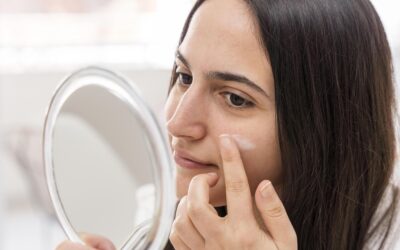
The internet is overflowing with skincare advice. Some of it comes from board-certified dermatologists, while much of it comes from viral trends, well-meaning friends, and product marketing. The trouble is that bad advice doesn’t just waste your money—it can actively harm your skin, leading to irritation, breakouts, premature aging, and even long-term damage.
If you’ve ever wondered whether the tips you follow are helping or hurting, you’re in the right place. In this post, you’ll learn which common skincare myths deserve to be retired for good, why they’re wrong according to dermatological science, and what to do instead. We’ll cover natural ingredients, indoor sun exposure, moisturizing oily skin, popping pimples, and several other misconceptions that could be sabotaging your complexion.
Let’s separate fact from fiction so you can care for your skin with confidence.
Myth 1: “Natural” Ingredients Are Always Safe
It’s easy to assume that anything labeled “natural” or “clean” must be gentle and healthy. Marketing has trained us to trust these words. Unfortunately, natural does not automatically mean safe.
Plenty of natural substances can irritate or damage your skin. Poison ivy is natural. So is lemon juice, which is highly acidic and can cause chemical burns and dark spots when applied to skin exposed to sunlight. Essential oils, another popular “natural” remedy, are among the most common causes of allergic contact dermatitis we see in practice.
At the same time, many lab-created ingredients are rigorously tested, stable, and remarkably gentle. Synthetic doesn’t mean harmful.
What to do instead: Judge a product by its formulation and how your skin responds, not by buzzwords on the label. Patch-test new products on your inner forearm for a few days before applying them to your face.
The takeaway: “Natural” is a marketing term, not a safety guarantee. Focus on ingredients and tolerance.
Myth 2: You Don’t Need Sunscreen Indoors
Many people believe sunscreen is only necessary at the beach or on sunny days. In reality, UV exposure happens far more often than you might think.
UVA rays—the ones responsible for aging, wrinkles, and dark spots—pass through window glass with ease. If you sit near a window at home, in the office, or in your car, your skin still absorbs damaging radiation. Studies have consistently shown more sun damage on the side of the face closest to the car window in people who drive frequently.
There’s also visible light and blue light from screens, which research suggests may contribute to hyperpigmentation, especially in deeper skin tones.
What to do instead: Apply a broad-spectrum sunscreen with SPF 30 or higher every morning, regardless of the weather or your plans. Make it as routine as brushing your teeth.
The takeaway: Daily sunscreen protects against invisible, everyday UV exposure that adds up over time.
Myth 3: Oily Skin Doesn’t Need Moisturizer
This is one of the most damaging myths for people struggling with breakouts. It seems logical—if your skin is already oily, why add more moisture? But skipping moisturizer often backfires.
When you strip your skin of moisture with harsh cleansers and skip hydration, your skin panics. It responds by producing even more oil to compensate, leaving you shinier and more prone to clogged pores than before.
Oil (sebum) and water (hydration) are two different things. Your skin can be oily and dehydrated at the same time.
What to do instead: Choose a lightweight, oil-free, non-comedogenic moisturizer. Gel-based formulas hydrate without feeling heavy or greasy, keeping your skin balanced.
The takeaway: Every skin type needs moisture. Skipping it can make oiliness worse.
Myth 4: Popping Pimples Helps Them Heal Faster
The urge to squeeze a blemish is almost irresistible, and it feels productive. But popping pimples usually does far more harm than good.
When you squeeze a pimple, you often push bacteria, oil, and debris deeper into the skin. This can rupture the follicle wall beneath the surface, spreading inflammation and turning a small spot into a larger, more painful cyst. Worse, the trauma significantly increases your risk of permanent scarring and dark marks that linger for months.
What to do instead: Leave blemishes alone. Apply a spot treatment with benzoyl peroxide or salicylic acid, or use a hydrocolloid pimple patch to absorb fluid and protect the area. For deep, painful cysts, a dermatologist can offer a cortisone injection that shrinks them quickly and safely.
The takeaway: Hands off. Popping trades a temporary spot for potential scarring.
Myth 5: The More Products, the Better
The rise of elaborate ten-step routines has convinced many people that more is always better. In truth, piling on product after product can overwhelm and irritate your skin.
Layering multiple active ingredients—like retinol, vitamin C, and exfoliating acids—all at once can damage your skin barrier. This leads to redness, stinging, peeling, and increased sensitivity. Over-exfoliation, in particular, is a common cause of the very problems people are trying to fix.
What to do instead: Keep it simple. A gentle cleanser, a moisturizer, and daily sunscreen form a solid foundation. Introduce active ingredients one at a time, and give your skin weeks to adjust before adding anything new.
The takeaway: A focused, consistent routine beats an overloaded one every time.
Myth 6: If a Product Tingles, It’s Working
Many people interpret a tingling or stinging sensation as a sign that a product is doing its job. This is a risky assumption.
While a few ingredients cause mild, temporary tingling, persistent stinging, burning, or redness is usually a warning sign. It often means the product is irritating your skin or damaging your protective barrier. Ignoring these signals can lead to inflammation and long-term sensitivity.
What to do instead: Pay attention to how your skin feels. Mild, brief tingling from a known active may be fine, but discomfort that lingers is a cue to rinse off and reassess.
The takeaway: Irritation is not effectiveness. Listen to what your skin is telling you.
Myth 7: You Only Need Anti-Aging Products When You’re Older
Waiting until wrinkles appear to think about prevention is a common mistake. By the time visible signs of aging show up, much of the underlying damage has already occurred.
The majority of skin aging comes from cumulative sun exposure over the years. Prevention is far more effective—and easier—than trying to reverse damage later.
What to do instead: Start with the basics early. Daily sunscreen is the single most powerful anti-aging tool available. Adding an antioxidant like vitamin C and, when appropriate, a retinoid can support healthy skin for the long term.
The takeaway: Prevention beats correction. Protect your skin before damage sets in.
Myth 8: Tanning Clears Up Acne
A day in the sun may seem to dry out blemishes and even out skin tone temporarily. This creates the illusion that tanning helps acne. It doesn’t.
Sun exposure temporarily masks redness while triggering inflammation and damaging your skin barrier. In the weeks that follow, this often leads to more clogged pores and breakouts. It also darkens post-acne marks and dramatically raises your risk of skin cancer.
What to do instead: Protect your skin daily with a non-comedogenic sunscreen. Treat acne with proven ingredients rather than sun exposure.
The takeaway: Tanning damages skin and worsens acne marks over time.
Common Mistakes to Avoid
Even when you know the myths, a few habits quietly undermine healthy skin. Watch out for these:
- Washing your face with hot water, which strips natural oils and causes dryness.
- Over-scrubbing or exfoliating daily, which damages the skin barrier.
- Using bar soap on your face, which is often too harsh and drying.
- Skipping patch tests before trying new products.
- Sleeping in makeup, which traps oil and bacteria against your skin overnight.
Swapping these habits for gentler alternatives makes a noticeable difference within weeks.
How to Build a Science-Backed Routine
You don’t need a complicated regimen to care for your skin well. Follow these simple steps:
- Cleanse gently twice a day with a mild, non-foaming or lightly foaming cleanser and lukewarm water.
- Moisturize morning and night to support your skin barrier, choosing a formula suited to your skin type.
- Protect every morning with a broad-spectrum SPF 30 or higher.
- Add actives slowly, introducing one new ingredient at a time and monitoring how your skin reacts.
- Stay consistent, giving any new product six to eight weeks to show results.
The Bottom Line
Skincare doesn’t have to be confusing, and it certainly shouldn’t be built on myths. When you understand the science behind your skin, you can make smarter choices that protect and strengthen it for years to come. Focus on gentle, consistent care, prioritize daily sun protection, and be cautious about trendy advice that promises quick fixes.
If you’re unsure which products or habits are right for your unique skin, you don’t have to figure it out alone. Our compassionate team is here to cut through the confusion with personalized, expert guidance tailored to your needs.
Ready to build a skincare routine that actually works? Visit the Complete Family Dermatology website or call (402) 423-1111 today to schedule your consultation.