Summer invites families outdoors—beach trips, hiking trails, backyard pools, and long afternoons at the park. While these moments build lasting memories, the season also brings real challenges for your skin. Heat, intense UV exposure, chlorine, sweat, and dehydration can quickly turn a fun day into an uncomfortable evening of stinging sunburns and itchy rashes.
The good news is that protecting your family’s skin doesn’t require complicated routines or hours of preparation. With a few smart habits, you can keep everyone comfortable and healthy all season long.
In this guide, you’ll learn how to:
- Choose and apply sun protection for every age in your family
- Keep skin hydrated from the inside out
- Treat sunburns, heat rashes, and post-swim irritation properly
- Care for the delicate skin of infants and young children
Whether you’re planning a vacation or simply navigating a busy summer week, these practical, dermatologist-informed strategies will help your family enjoy the sunshine safely.
Why Summer Demands Extra Skin Care
Your skin works hard year-round, but summer adds layers of stress. Stronger UV radiation increases the risk of sunburn and long-term damage. Heat and humidity trap sweat against the skin, leading to clogged pores and rashes. Pool chemicals and salt water strip away natural moisture, leaving skin dry and irritated.
Children are especially vulnerable. Their skin is thinner and more sensitive than an adult’s, which means it burns faster and reacts more easily to irritants. That’s why a family-wide approach—tailored to each age and skin type—makes all the difference.
Sun Protection for Every Age
Sun protection is the single most important habit your family can build this summer. Cumulative UV exposure during childhood significantly raises the lifetime risk of skin cancer, so the habits you set now matter for decades to come.
Choosing the Right Sunscreen
Look for a broad-spectrum sunscreen with SPF 30 or higher that protects against both UVA and UVB rays. For everyday family use, mineral formulas containing zinc oxide or titanium dioxide are excellent. They sit on top of the skin, work immediately, and tend to be gentler on sensitive complexions.
- Infants under 6 months: Keep them out of direct sun whenever possible. Use shade, lightweight clothing, and wide-brimmed hats. Apply sunscreen only to small exposed areas if shade isn’t available.
- Children and teens: Use a broad-spectrum SPF 30+ and reapply often. Mineral formulas are ideal for sensitive young skin.
- Adults: Don’t skip yourself. Parents often protect their kids and forget their own faces, ears, and necks.
Applying It Correctly
Even the best sunscreen fails when applied incorrectly. Follow these steps:
- Apply 15–20 minutes before heading outside so it can bind to the skin.
- Use enough product—about one ounce (a shot glass full) to cover the body of an older child or adult.
- Reapply every two hours, and immediately after swimming, sweating, or towel-drying.
- Cover the easy-to-miss spots: ears, the back of the neck, the tops of feet, and the part in the hair.
Pair sunscreen with sun-protective clothing, hats, and UV-blocking sunglasses for the strongest defense.
Staying Hydrated for Healthy Skin
Hydration plays a quiet but powerful role in summer skin health. When your body is dehydrated, skin loses its plumpness and resilience, making it more prone to dryness and irritation.
Encourage everyone in the family to drink water regularly throughout the day—not just when they feel thirsty. Active kids may not recognize early signs of dehydration, so build in water breaks during play.
- Send each child out with a refillable water bottle.
- Offer water-rich snacks like watermelon, cucumbers, and oranges.
- Limit sugary drinks, which can worsen dehydration.
Well-hydrated skin recovers faster and stays comfortable in the heat.
How to Treat Sunburns the Right Way
Even with careful planning, sunburns sometimes happen. Acting quickly helps ease discomfort and supports healing.
If a family member gets burned:
- Cool the skin with a cool (not ice-cold) bath or damp compress.
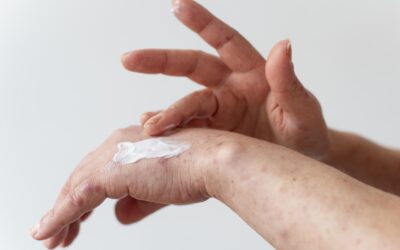
- Moisturize with a gentle, fragrance-free lotion or pure aloe vera to soothe and hydrate.
- Hydrate from within by drinking extra water, since burns draw fluid to the skin’s surface.
- Manage discomfort with over-the-counter pain relievers if needed.
- Protect the area from further sun exposure until it fully heals.
Avoid harsh products, petroleum-based ointments on fresh burns, and popping any blisters that form. Seek medical care if a child develops blistering over a large area, a fever, chills, or signs of dehydration. Severe burns deserve professional attention.
Protecting Kids’ Sensitive Skin
Young children need extra consideration because their skin is more delicate and reactive. A few simple adjustments keep them comfortable.
- Choose fragrance-free, hypoallergenic products to reduce the risk of irritation.
- Dress them in lightweight, breathable fabrics like cotton that allow airflow.
- Schedule outdoor play wisely, avoiding peak UV hours between 10 a.m. and 4 p.m. when possible.
- Reapply sunscreen diligently, since kids sweat and rub it off quickly.
Making sun safety a normal, expected part of the day helps children carry these habits into adulthood.
Post-Swim Skincare
Pools and oceans are summer staples, but chlorine and salt water can leave skin dry, tight, and itchy. A simple after-swim routine restores balance.
- Rinse off promptly with fresh water to remove chlorine, salt, and sweat.
- Pat dry gently rather than rubbing, which can irritate the skin.
- Apply a hydrating moisturizer while skin is still slightly damp to lock in moisture.
- Reapply sunscreen if outdoor activities continue.
For children prone to eczema, this step is especially important—chlorine can trigger flare-ups, so prompt rinsing and moisturizing offer real relief.
Managing Heat Rashes
Heat rash, sometimes called prickly heat, develops when sweat becomes trapped under the skin. It appears as small red bumps or tiny blisters, often in skin folds or areas covered by clothing. Infants are especially prone to it.
To prevent and manage heat rash:
- Keep skin cool and dry, moving to shade or air conditioning when overheating begins.
- Dress in loose, breathable clothing to allow sweat to evaporate.
- Avoid heavy creams or ointments that can block sweat glands.
- Apply a cool compress to soothe affected areas.
Most heat rashes clear on their own within a few days. However, if the rash worsens, shows signs of infection, or doesn’t improve, a dermatologist can help identify the cause and recommend treatment.
Your Summer Skin Health Checklist
Keep this quick checklist handy as your family heads into the season:
- ✅ Apply broad-spectrum SPF 30+ to everyone, 15 minutes before sun exposure
- ✅ Reapply sunscreen every two hours and after swimming or sweating
- ✅ Carry water bottles and take regular hydration breaks
- ✅ Rinse and moisturize after every swim
- ✅ Dress kids in breathable fabrics and protective hats
- ✅ Seek shade during peak UV hours
- ✅ Treat sunburns promptly and watch for signs of heat rash
Enjoy a Safe, Healthy Summer Together
Summer should be about joy, connection, and time spent outdoors—not discomfort from preventable skin problems. By protecting your family from the sun, staying hydrated, and caring for skin after swimming and playing, you set everyone up for a season of healthy, comfortable skin.
Start with one small change today, whether it’s adding sunscreen to your morning routine or packing water bottles for your next outing. Small habits add up to lasting protection.
If your family has specific skin concerns, persistent rashes, or questions about the best products for sensitive skin, our team is here to guide you with personalized, compassionate care.
Visit the Complete Family Dermatology website or call (402) 423-1111 today to schedule your consultation.