Living with eczema can feel like an unpredictable cycle. Your skin is calm and comfortable one week, then suddenly red, itchy, and inflamed the next. For parents, watching a child scratch through the night is especially heartbreaking. Eczema affects millions of Americans, from infants to older adults, and while there is no cure, it is absolutely manageable.
The key to flare-free living isn’t a single miracle product. It’s a thoughtful, consistent approach that combines trigger awareness, a gentle skincare routine, and smart daily habits.
In this guide, you’ll learn how to identify and avoid common triggers, build a skincare routine that protects your skin barrier, master moisturizing and bathing techniques, and recognize when it’s time to seek professional care. Whether you’re managing your own eczema or caring for a child, these strategies can help you take back control.
Understanding Eczema: What’s Happening to Your Skin
Eczema, also known as atopic dermatitis, is a chronic condition that causes the skin to become inflamed, dry, and itchy. At its core, eczema is a problem with the skin’s protective barrier.
A healthy skin barrier locks moisture in and keeps irritants and allergens out. In eczema-prone skin, this barrier is weakened. Moisture escapes easily, leaving skin dry and cracked, while irritants slip through and trigger inflammation.
This is why eczema management focuses so heavily on protecting and repairing that barrier. When you strengthen the barrier, you reduce both the frequency and severity of flare-ups.
Bottom line: Eczema is a barrier problem, so your daily habits matter as much as any medication.
Identifying and Avoiding Common Triggers
The first step toward flare-free living is understanding what sets off your symptoms. Triggers vary from person to person, so becoming a detective about your own skin pays off. Keeping a simple journal of flares—noting products, foods, weather, and stress levels—can reveal patterns over time.
Soaps and Harsh Cleansers
Many standard soaps and body washes contain sulfates, fragrances, and drying agents that strip natural oils. For eczema-prone skin, these products damage an already fragile barrier.
Switch to fragrance-free, soap-free cleansers labeled for sensitive skin. Look for gentle, non-foaming formulas, and avoid antibacterial soaps unless a doctor recommends them.
Irritating Fabrics
What touches your skin all day matters. Rough or synthetic fabrics like wool and polyester can trap heat and cause friction that triggers itching.
- Choose soft, breathable fabrics like 100% cotton.
- Remove tags and avoid tight, restrictive clothing.
- Wash new clothes before wearing them.
- Use fragrance-free, dye-free laundry detergent and skip fabric softeners.
Stress
Stress and eczema feed each other. Emotional stress releases hormones that increase inflammation, which worsens flares—and the discomfort of a flare then adds more stress.
For adults, this might mean exercise, deep breathing, or better sleep. For children, a calming bedtime routine and gentle reassurance can ease the scratch-stress cycle.
Allergens and Environmental Factors
Common allergens like pollen, pet dander, dust mites, and mold can provoke eczema. Weather plays a role too. Cold, dry winter air and hot, sweaty summer days both challenge sensitive skin.
Use a humidifier in dry months, keep your home dust-free, and rinse off after sweating. Some patients also react to certain foods, so talk with your dermatologist before eliminating anything from your family’s diet.
Bottom line: You can’t avoid every trigger, but knowing yours turns guesswork into a plan.
Building a Skincare Routine for Eczema-Prone Skin
A simple, consistent routine does more for eczema than a cabinet full of products. The goal is always the same: protect the barrier and lock in moisture.
Keep It Gentle and Minimal
Fewer products mean fewer chances for irritation. Stick to a gentle cleanser, a rich moisturizer, and any prescribed medications. Avoid exfoliants, astringents, and products with alcohol or fragrance.
Layer in the Right Order
Cleanse gently, apply any prescription topical treatments to affected areas, then seal everything in with moisturizer. This order helps medications absorb while your moisturizer traps hydration.
Patch-Test New Products
Before using a new product widely, apply a small amount to your inner forearm for several days. This simple habit helps you catch a reaction before it spreads across larger areas—an especially smart move for children’s delicate skin.
Mastering Moisturizing Techniques
Moisturizing is the single most important habit for managing eczema. Consistent moisturizing repairs the barrier, soothes itching, and can significantly reduce flares.
Choose the Right Type
Not all moisturizers are equal. In general, thicker formulas offer better protection:
- Ointments (like petroleum jelly) are the most effective at sealing in moisture and contain few additives.
- Creams are a good balance of hydration and ease of use.
- Lotions are the thinnest and often contain water and alcohol, so they’re usually the least effective for eczema.
Look for products labeled fragrance-free and formulated for eczema, ideally containing ceramides to rebuild the barrier.
Use the “Soak and Seal” Method
Timing is everything. Apply moisturizer within three minutes of bathing, while skin is still damp. This traps water in the skin and dramatically boosts hydration.
Moisturize Often
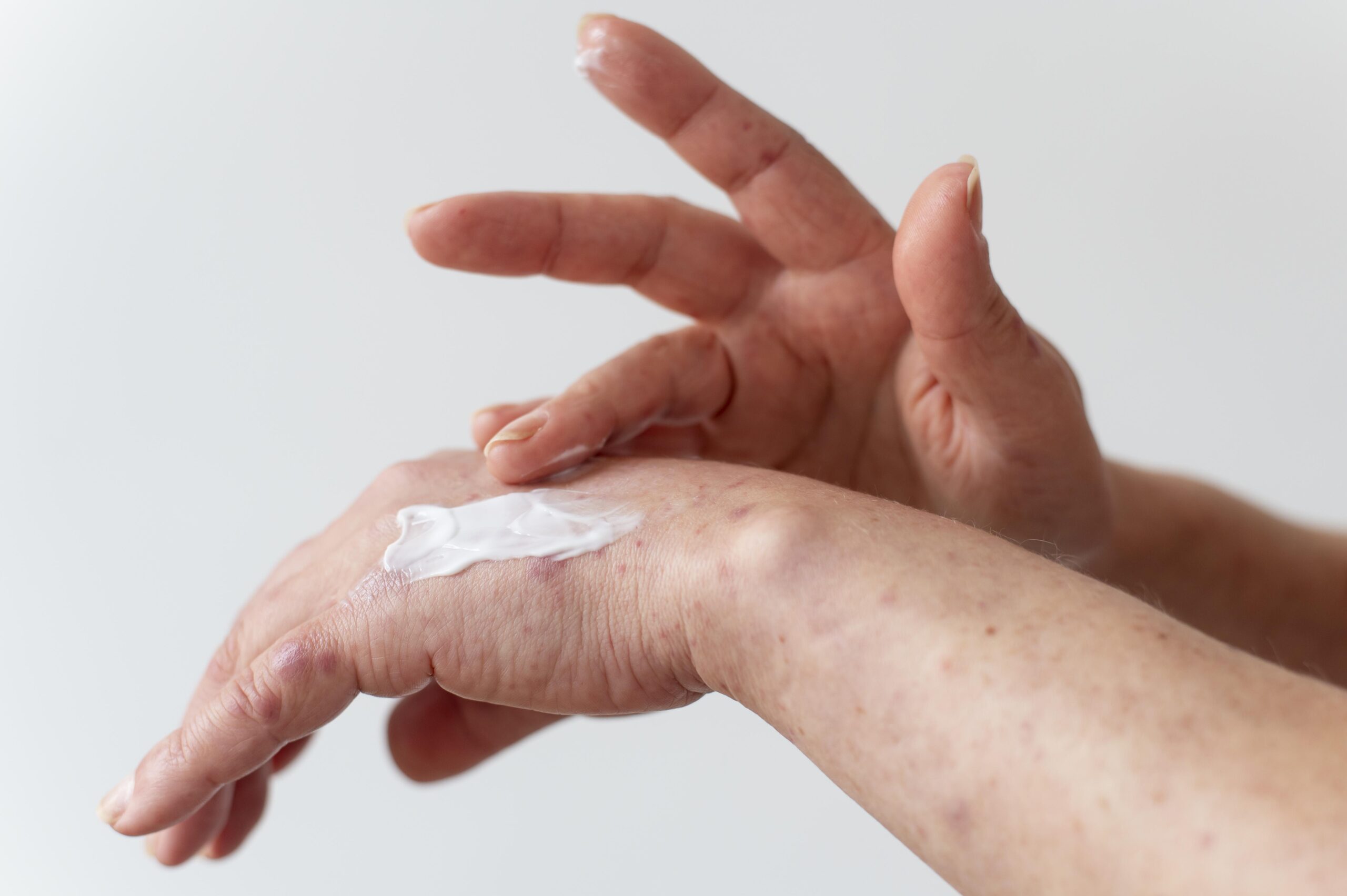
Once a day isn’t enough during a flare. Apply moisturizer at least twice daily, and more often on hands and any exposed areas. For children, reapply after handwashing and playtime. Keep moisturizer within reach at home, at school, and at work to make frequent application easy.
Bottom line: Moisturize generously, moisturize often, and always seal in that post-bath moisture.
Bathing Tips for Sensitive Skin
Bathing can either soothe eczema or aggravate it, depending on how you do it. The right approach cleans skin without stripping its precious moisture.
- Keep water lukewarm. Hot water strips natural oils and worsens dryness.
- Limit baths to 5–10 minutes. Long soaks can dry the skin further.
- Use a gentle, fragrance-free cleanser only where needed, not over the entire body.
- Pat, don’t rub. Gently pat skin with a soft towel, leaving it slightly damp.
- Seal immediately. Apply moisturizer within three minutes to lock in hydration.
For children with stubborn eczema, your dermatologist might recommend a diluted bleach bath. This can reduce bacteria on the skin and calm flares—but only try this under professional guidance.
Managing Eczema in Children
Children experience eczema differently than adults, and they need extra care and patience. Their skin is thinner, and they often can’t resist scratching.
To protect little ones, keep their fingernails trimmed short and consider soft cotton mittens at night to prevent scratching. Dress them in breathable layers to avoid overheating, a common trigger. Make moisturizing part of the daily routine, turning it into a calm, connected moment rather than a chore.
Above all, offer reassurance. Eczema can affect a child’s confidence and sleep, so your patience and comfort matter as much as any cream.
When to Seek Professional Treatment
Home care forms the foundation of eczema management, but many cases need professional support—and that’s completely normal. A dermatologist can offer treatments that go far beyond over-the-counter options.
Consider scheduling a visit if:
- Flares don’t improve with consistent home care and moisturizing.
- Itching disrupts sleep or daily activities.
- You see signs of infection, such as oozing, yellow crusting, increased pain, or fever.
- Eczema covers large areas of the body or worsens over time.
- The condition affects your or your child’s confidence and quality of life.
A dermatologist can prescribe targeted treatments, from topical steroids and non-steroidal creams to newer options like biologic medications for moderate to severe cases. We can also perform testing to pinpoint specific triggers and build a plan tailored to you or your child.
Take Control of Your Eczema Today
Eczema may be a lifelong condition, but it doesn’t have to control your life. By identifying your triggers, protecting your skin barrier, moisturizing faithfully, and bathing wisely, you can dramatically reduce flares and enjoy more comfortable days. Remember that consistency is your greatest tool, and small daily habits add up to lasting relief.
You don’t have to navigate this journey alone. Whether you’re managing your own symptoms or caring for a child, our compassionate team is here to create a personalized plan that brings your skin the comfort it deserves.
Ready for flare-free living? Visit the Complete Family Dermatology website or call (402) 423-1111 today to schedule your consultation.